Sports Video Analysis
A sports video can show you what happened. The harder part is understanding why. VideoPlayer.io helps you inspect fast movements, find differences between attempts, and examine how technique develops from one moment to the next.
The problem with simply watching the replay
Seeing the Video Isn’t Always Enough
When a technique succeeds, the result may look obvious. When it fails, the cause is often much harder to see. Important differences can happen too quickly, appear in only a few frames, or develop gradually throughout the movement.
You can see the result, but not necessarily the moment that caused it.
Takeoffs, impacts, releases, contacts, and landings may happen in fractions of a second.
Subtle differences become difficult to recognize when recordings are viewed separately.
A single position does not always explain the movement that produced it.
“Why Did That Attempt Fail?”
A missed landing, poor contact, inaccurate throw, or unstable repetition tells you that something went wrong. It does not automatically tell you where the problem started.
Instead of concentrating only on the final mistake, go backward through the recording and find the earliest visible difference.
Was the athlete already in a different position before the main action began?
Did the movement begin from the same position and at the same moment?
Where was the body, equipment, or ball when contact occurred?
Was the final error actually created earlier in the movement?
Frame-by-Frame Player
Move backward and forward one recorded frame at a time to locate the point where the successful and unsuccessful movement begins to change.

“It Happened Too Fast to See.”
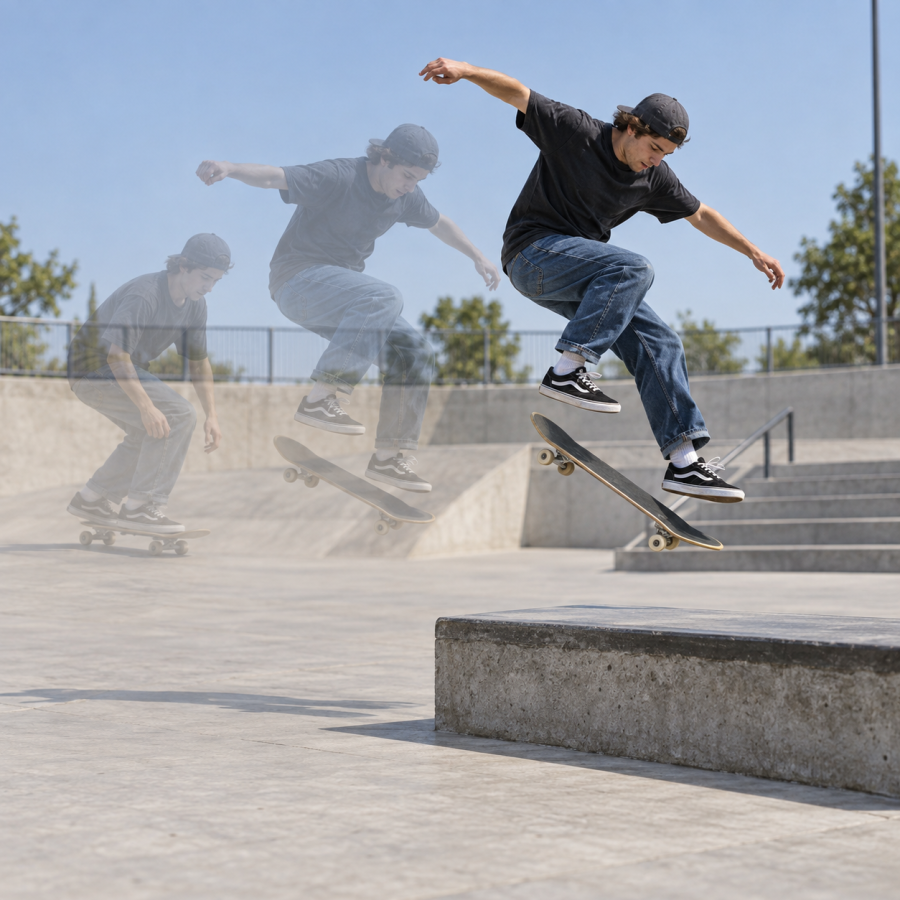
Many important sporting events are brief enough to disappear during ordinary playback. A foot may leave the ground, a racket may contact the ball, or a skateboard may begin rotating within only a small number of recorded frames.
Rather than repeatedly replaying the same second and trying to estimate what happened, isolate the exact part of the recording you want to inspect.
Find the instant, then inspect around it
Identify a specific frame and then examine the frames immediately before and after it. This can make timing relationships much easier to understand than normal-speed playback alone.
Problem 03
“They Look Almost the Same.”
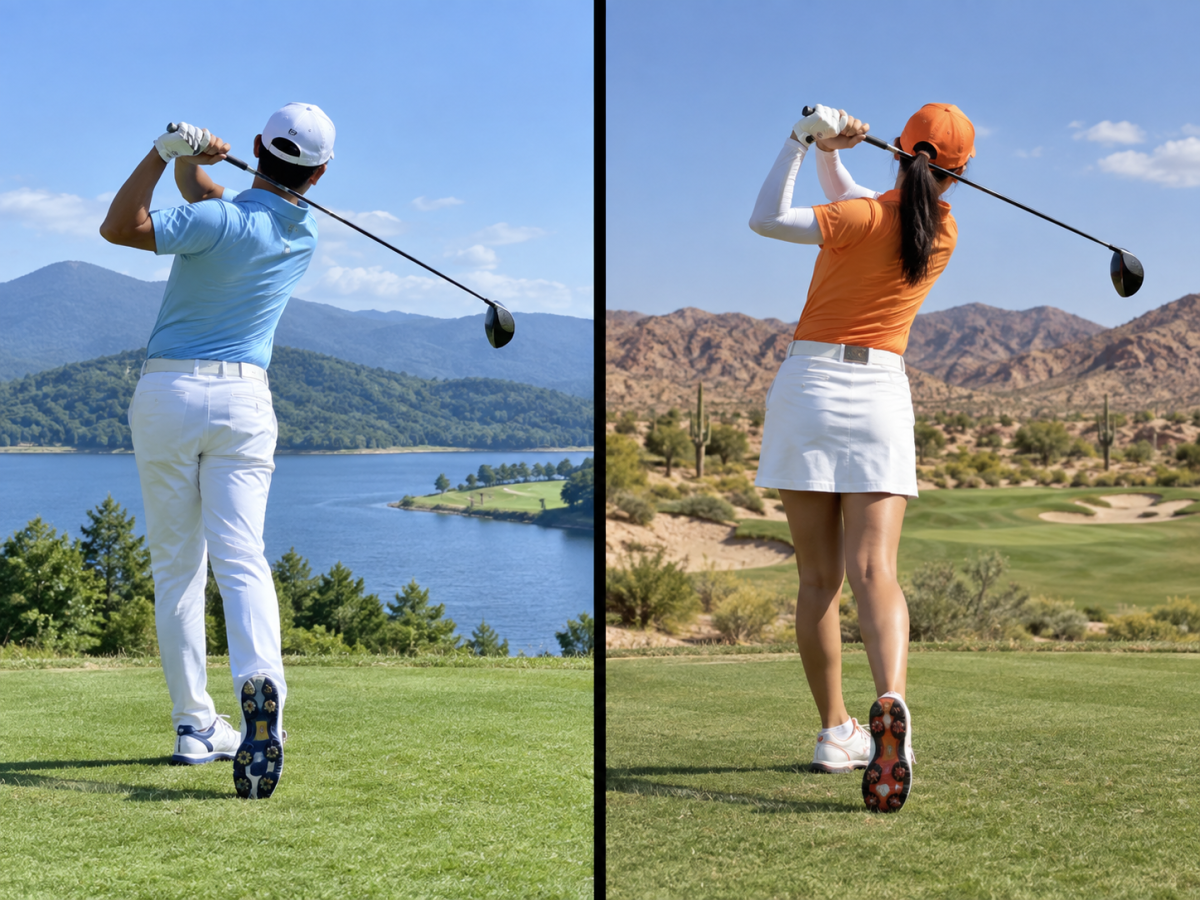
A successful and unsuccessful attempt may appear nearly identical when watched separately. The differences often become easier to see when the two recordings are placed in front of you at the same time.
Load two videos into the Split Screen Player and compare them side by side. Instead of relying on memory, you can keep both movements visible while looking for where their timing, position, or sequence begins to diverge.
Look for the first meaningful difference between two attempts.
Compare how different athletes solve the same technical problem.
See whether practice has actually changed the movement you intended to change.
Use a reference recording to examine differences in timing and body position.
“A Freeze Frame Doesn’t Show the Whole Movement.”
Technique is not only a collection of positions. How the athlete moves from one position to another can be just as important as the positions themselves.
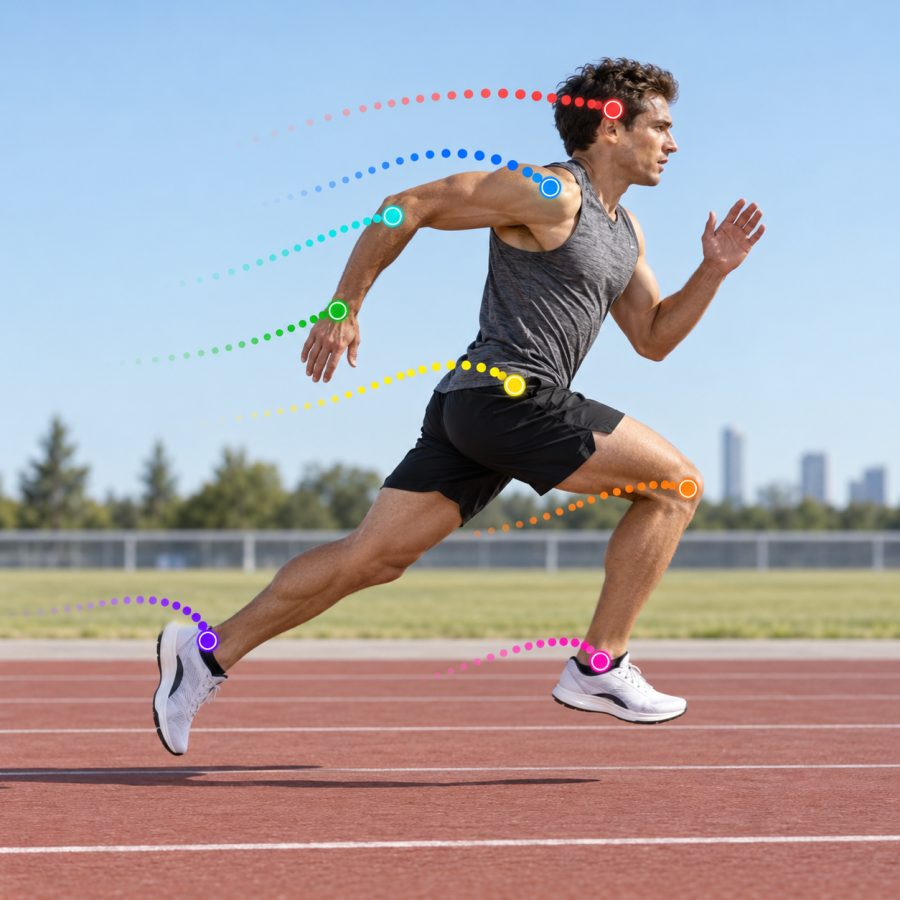
That makes some questions difficult to answer with screenshots alone. How did the hips travel? Did the upper body move before the lower body? Was a joint already drifting away from its expected path before the visible mistake occurred?
AI Motion Analyzer
Use movement visualization and tracking tools to make changes in body position easier to follow over time and inspect how different parts of the body travel through the action.
Different sports, similar questions
What Would You Look For?
The details change from sport to sport, but the underlying questions are often similar: when did the movement change, where did it change, and what happened differently from another attempt?
Skateboarding
Compare setup, pop, body rotation, board movement, catch, and landing between attempts.
Golf & Baseball
Inspect preparation, weight transfer, swing sequence, impact position, and follow-through.
Running & Jumping
Look at ground contact, stride timing, approach, takeoff, body position, and landing.
Strength Training
Review repetition consistency, joint positions, movement paths, balance, and changes under load.
A simple analysis workflow
Don’t Just Replay It. Investigate It.
You do not need to use every tool for every video. Start with the question you are trying to answer and use the type of analysis that fits it.
Choose the Moment
Start with the attempt, repetition, swing, jump, or movement you want to understand.
Find What Changed
Move through the video carefully and identify when the important difference first becomes visible.
Compare or Visualize
Use another recording or movement visualization when one video alone does not answer the question.
Return to Practice
Use what you observed to decide what you want to pay attention to in the next attempt.
Find What Your Replay Is Trying to Tell You
Bring your sports footage into VideoPlayer.io and examine the moments, differences, and movement patterns that are difficult to understand at full speed.